
Konkuk University Professor Shin Ji-ho's Team Uses Metaverse Visitor Data to Pilot a New Public Museum Model
- The Crossing Lab planned an on-site metaverse museum demo at the Busan Museum of Art for September 17.
- The demo presents interim results from about two years of joint research under an April 2024 agreement.
- An AI docent and MySpace run on SuperPlat, and visitor data will go toward developing future models.
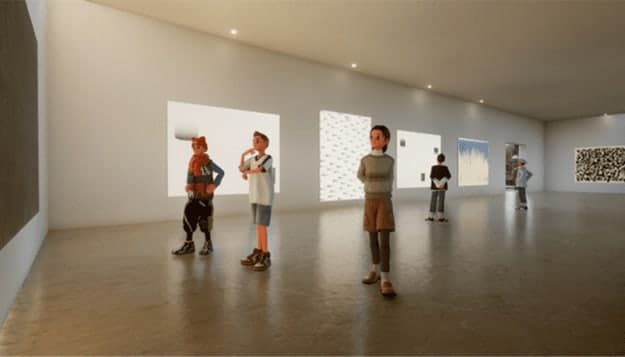
The Crossing Lab planned an on-site demonstration titled 'Metaverse Busan Museum of Art: New Social Functions and Roles' at the Busan Museum of Art for September 17. The company is an AI creative tech firm led by Shin Ji-ho, a professor of media acting at Konkuk University. At the heart of the demo is a virtual recreation of the museum's interior, which visitors can walk through themselves to experience the artworks and other content.
The two institutions signed a metaverse joint research agreement in April 2024 and have worked together for about two years since; the demo presents interim results of that research. According to the article, they have been testing what new ways of viewing art a public museum can offer in the metaverse and how far arts and culture content can be extended. Shin said the metaverse opens up new possibilities for experiencing art because visitors can enter the space where the works are and take part and interact directly. He also said the demo would be used to review the role a public museum can play in a digital environment and to look for a model that other arts and cultural venues could adopt.
Content prepared for the demo includes an AI docent that explains the works, a virtual concert hall, and MySpace, where visitors decorate an exhibition space of their own. There is also exploration content in which visitors look for hidden information to understand a work's context, along with digital puzzles and story-driven experiences. Because the content changes depending on what visitors choose and do, the article expects their usage patterns to build up as data for improving the service.
The article also describes the project as an experiment in widening access to arts and culture for people who find it hard to visit a museum in person, such as people with disabilities and older adults. The demo was prepared using SuperPlat, the virtual content platform The Crossing Lab develops and operates. Visitor usage data collected after the demo will serve as groundwork for developing models to apply to future exhibition planning and urban cultural events.
Source : 한국데이터경제신문(https://www.dataeconomy.co.kr/news/articleView.html?idxno=42560)